Stained Glass Art Nouveau
Four (of eight) ‘Labours of the Months’ roundels ca 1500-1525, attributed to John Wattock 4. Clockwise from top left: ‘Pruning’, ‘A King Feasting’, ‘Harvesting Grapes’, ‘Sheltering from a Storm’.(c) Norwich Castle Museum and Art Gallery. Painted vs stained glass. ‘ Painted glass’ refers to the process of painting the pattern with a solution of metallic salts (e.g.
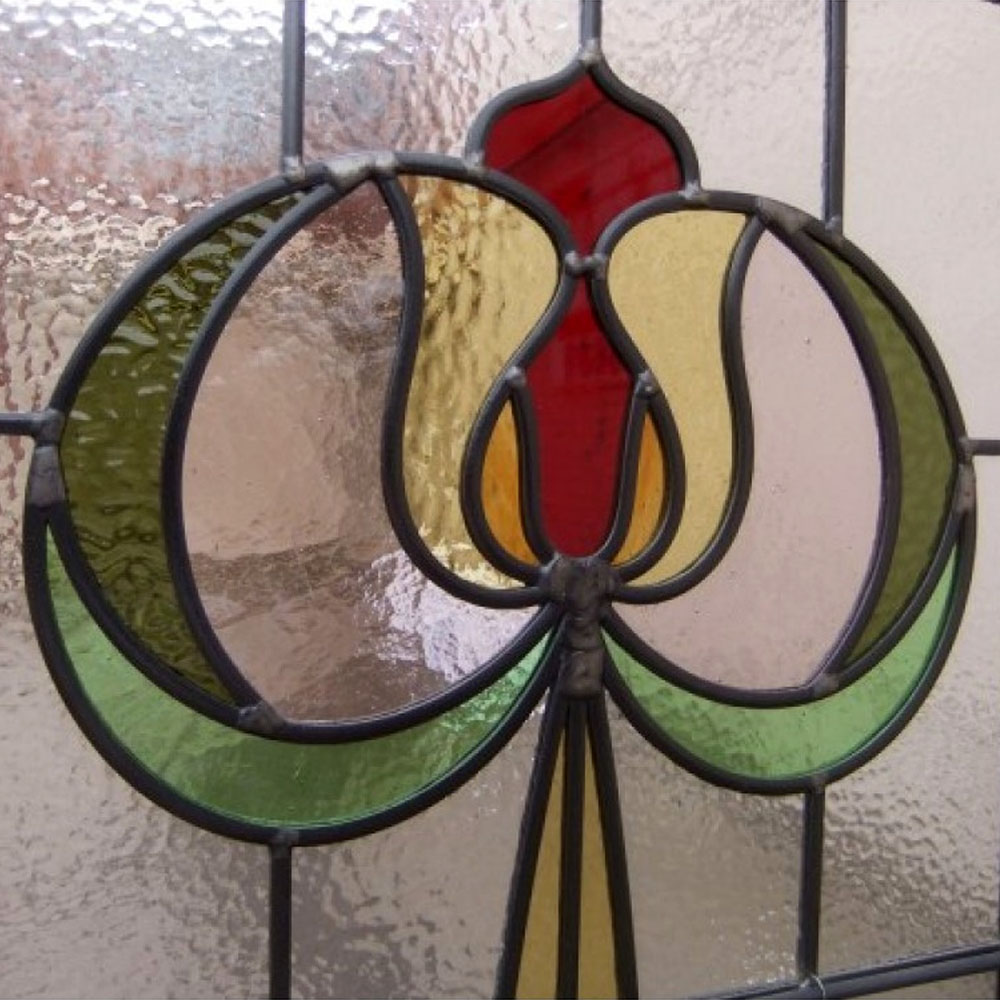
Looking for free art nouveau patterns for stained glass? This easy to use index of free. Art Nouveau stained glass is characterized by organic, especially floral and other plant-inspired motifs, as well as highly stylized, curvilinear forms. Looking for free art nouveau patterns for stained glass? This easy to use index of free.
Silver nitrate) before firing, as in the medieval glass above. ‘ Stained glass’ also includes pieces of coloured glass arranged in a pattern and held together by strips of lead. After the puritanical rampage there was little ecclesiastical glass-making until the great religious revival of the C19th. In 1861, William Morris founded Morris, Marshall, Faulkner & Co with his Pre-Raphaelite friends, including Rosetti, Ford Madox Brown and Burne-Jones. The company initially focused on church glass but some of their patterns were applicable to the home. Taste-makers were keen to bring something of the Gothic/Arts and Crafts Revivals into their houses and the fashion for domestic stained glass can largely be traced to Morris & Co, for whom Edward Burne-Jones was a main designer. ‘Penelope’, stained and painted glass panel, designed for Morris & Co by Edward Burne-Jones – a major designer for the firm ca 1864.
(c) Victoria and Albert Museum, London This large house in Eaton, Norwich was built in 1905 as a late example of the English Domestic Revival style. The large window on the half-landing contains a series of nine painted-glass roundels based on the ‘Signs of the Zodiac’. The remaining three signs of the zodiac are fitted into a round window to the side.
The hand-painted glass below is very much in the Arts and Crafts tradition. It is in the 1852 Heigham house built by Robert Tillyard, a leather merchant and one of the founders of the Norvic shoe factory 6, and. Stylistically, these paintings resemble Aesthetic Movement portraits of the 1870s-1880s.
‘Juliet’s’ strong chin, below, is reminiscent of Morris’ wife, Jane. Montage of cameos from The Gatehouse PH, Dereham Road. The benefits of reading.
Above entrance of Mile Cross Branch Library, Aylsham Road, Norwich 1931 The benefits of drinking. Advertising glass at The Ribs of Beef PH at Fye Bridge,Norwich The Norwich Society helps people enjoy and appreciate the history and character of Norwich. More details on their website Thanks to Keith Roberts, Grant Young and Gareth Lewis and all who let me photograph their glass. S ources.
Woodforde, Christopher (1950). The Norwich School of Glass-Painting in the Fifteenth Century. Pub: Oxford University Press. See previous post on Norfolk’s stained glass angels.
Transom Art Nouveau Stained Glass Patterns
Vance, Francesca (2013). Stained Glass Roundels: the Labours of the Months.